
About
We took what developmental science knows and made it work for organizations.
The science on how organizations develop exists — integral theory, developmental psychology, systems thinking. It was scattered across disciplines and difficult to apply in practice. We connected it into one system, built software around it, and made it something leadership teams can use directly.
Our origin
The same gap, in every organization.
In every organization we led or advised, we hit the same gap. The tools and frameworks available each covered a piece: engagement, leadership, process, structure. But they worked in isolation. Nobody had connected them into one picture of how the organization develops as a whole, or built tools that let a leadership team work with that picture directly.
That's what Applied Integral is. A system for seeing how an organization works across every dimension, and developing it as one connected whole.
Our mission: pioneer a new understanding of business, human development, and how we organize as collectives — by building the systems that guide how organizations work and grow.
What we believe
The convictions behind how we build
Development conditions matter more than change programs
The market is full of change programs, transformation initiatives, and turnaround consultants. Each treats change as something you do to an organization. We think the better question is: what conditions let an organization develop on its own? Build those conditions and the right changes emerge. Force change without them, and you're back where you started in eighteen months.
The strategy-execution gap is an organizational development problem
When strategy fails, the default diagnosis is 'poor execution.' Better accountability, better KPIs, better project management. The actual bottleneck is usually different: decisions are too slow, coordination is too fragile, people interpret priorities through outdated patterns. That's an organizational development problem, and it needs organizational development tools.
What leaders sense about their organization is usually right
Leadership teams usually know where things are stuck. They can feel where the culture contradicts the strategy, where ownership thins out, where decisions bottleneck. But sensing something and being able to name it, measure it, and act on it systematically are different things. Most of what we build exists to close that distance.
Good systems make external help unnecessary over time
If a system still needs a consultant to operate, you've replaced one dependency with another. Applied Integral is designed to be owned by the leadership team. Practitioners use it with their clients during development work, and that's valuable. But the end state is always: the organization runs this itself.
Team
The people behind Applied Integral
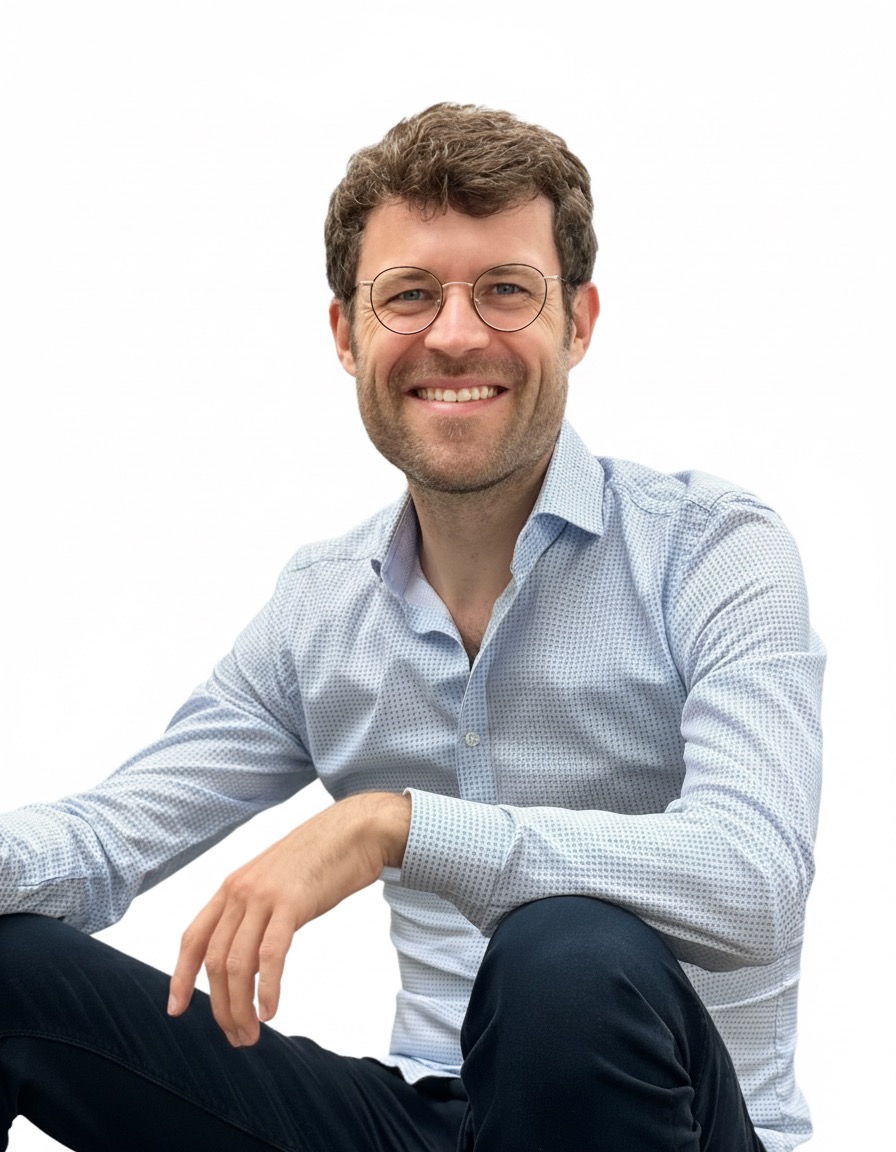
Jonathan Gregory
Founder & CEO
15+ years building and leading commercial organizations in enterprise software, SaaS, and consumer goods. Taught commercial scaling and innovation at the University of St. Gallen MBA. Built Applied Integral from a gap he hit in every organization: leadership teams that wanted to develop how their company works, with no system for doing it.

James Cruzen
Methodology Co-Developer
18 years across leadership coaching, executive facilitation, and commercial leadership. Coached senior leaders and built leadership development programs for companies like Amazon, Panasonic, Qualcomm, Okta, and Legrand. Led sales organizations and closed seven-figure deals. Brings a practitioner's understanding of what leadership development looks like when it actually works inside an organization.

Petra Gregory
Methodology Partner
25 years in organizational development. Works with Applied Integral clients on the ground, bringing practitioner depth to the platform's diagnostic and development approach.
"The hardest part was always making the invisible visible in a way leadership teams could act on. Applied Integral does that systematically. My clients see things about their organization they've never been able to articulate before."
Practitioners who use Applied Integral with their clients
"Applied Integral gives me something I could never build in a consulting engagement: a continuous, multi-source diagnosis that's already there when I walk into the room. I spend my time on interventions, not on assembling a picture from scratch every quarter."
 Lakhena Leng · Digital Transformation Consultant
Our team has worked with teams at
Why trust this
Live, in use, and grounded in research.
Diagnostic tools live and in use. Change Lens (including the Org Challenge Locator) and Atlas available now.
Adopted by OD practitioners for use with their own clients.
Framework grounded in organizational science, developmental psychology, and systems thinking. Built in commercial organizations, refined through practitioner use.
Questions about Applied Integral
How it works, and what makes it different.
What is the Applied Integral methodology?
A framework for understanding how organizations work and how they grow. It maps four dimensions, mindset, behavior, culture, and systems, and traces a developmental path through four stages. It provides a continuous process for sensing where the organization stands, shaping what to develop next, and building changes into operations so they last. The methodology draws on integral theory, developmental psychology, and systems thinking.
Who built Applied Integral?
Jonathan Gregory, founder and CEO. 15+ years building and leading commercial organizations in enterprise software, SaaS, and consumer goods. Taught commercial scaling and innovation at the University of St. Gallen MBA. Built Applied Integral from a gap he hit in every organization: leadership teams that wanted to develop how their company works, with no system for doing it. The methodology was co-developed with James Cruzen, who spent 18 years building leadership development programs for companies including Amazon, Panasonic, Qualcomm, Okta, and Legrand, and Petra Gregory, who brings 25 years working with organizations on how they develop, with clients including Novartis, Fraunhofer, and BMW.
What does 'self-developing organization' mean?
A self-developing organization sees where decisions slow down, where coordination costs more energy than the work itself, where the strategy says one thing and the daily culture rewards another. It knows what to work on next. It has the tools to change how teams run their decisions and governance. And it can see whether those changes are actually working. Applied Integral is the system that makes this possible.
What kind of company is Applied Integral?
Applied Integral GmbH is a methodology and software company based in Munich, Germany. It builds organizational development software and the framework behind it. The methodology is usable by leadership teams and practitioners. The software is a SaaS product. Organizations that want hands-on support can work with practitioners in Applied Integral's network.
Start with the diagnostic
See what Applied Integral finds.
Experience the research preview. See what it surfaces about your organization.
Or email us at hello@appliedintegral.com